Stellaris promotional artwork

Try2Mod · Stellaris

STELLARIS MODDING

They can talk! And they want to talk to us!

Xenophile advisor, first contact

Stellaris is deeply scriptable. This hub orients you to the scene’s history and where to learn the craft—concepts, tooling, and official docs live in the guides. Back to all games.

From launch to today

Ages of the galaxy

A guided tour from launch to today—built from a community-written history of Stellaris modding plus public patch and DLC references. Not a full changelog: it is the story of how creators and tools co-evolved.

Stellaris modding timeline eras
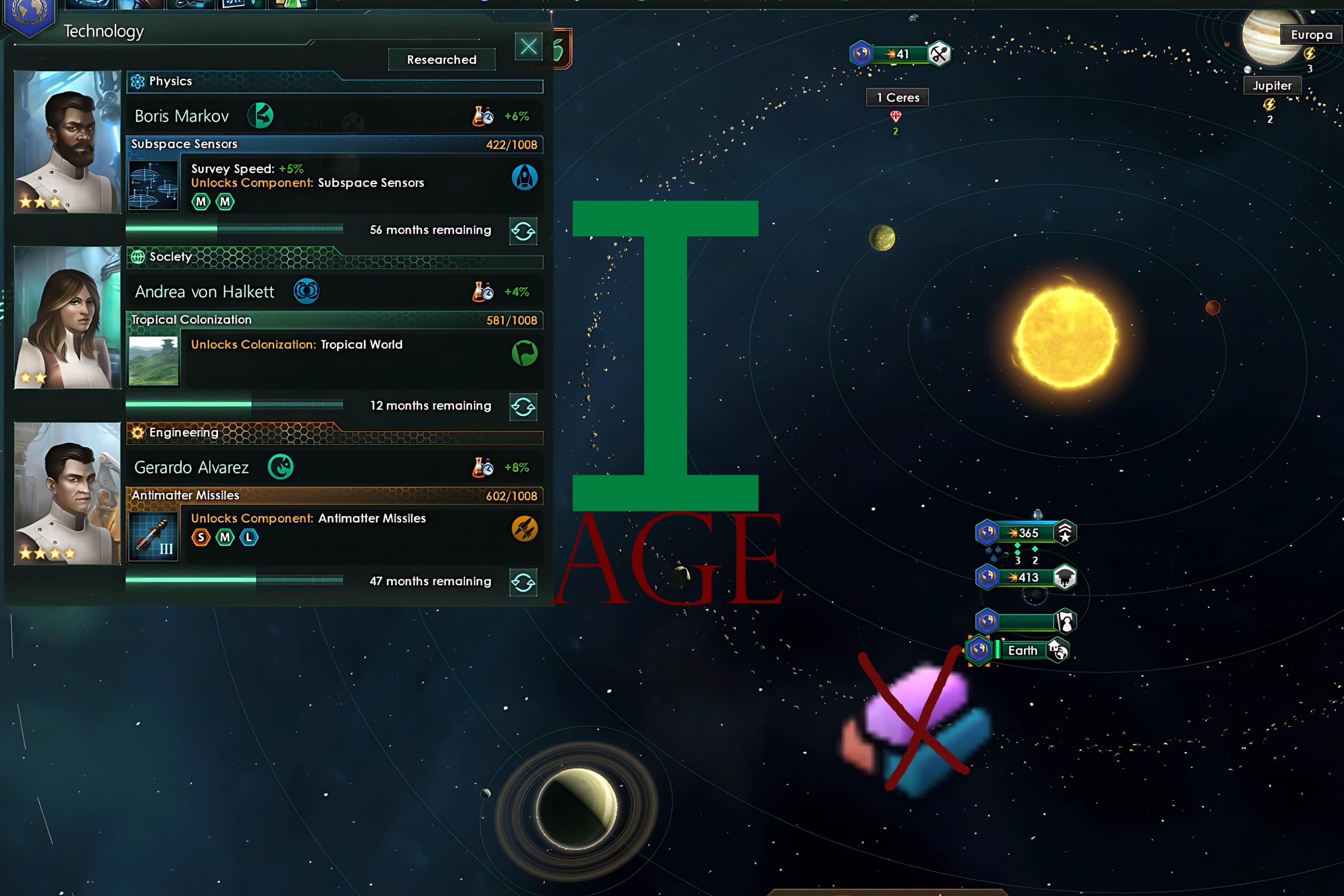
  1. Era I: launch-era Stellaris modding

    2016

    The Genesis era

    May 9, 2016: Stellaris arrives on Clausewitz with Steam Workshop on day one—creators flood in before the paint is dry.

    • Steam Workshop and Paradox Mods become the default rails; culture tilts toward total conversions and deep overhauls.
    • Early pioneers tackle combat readability (taming the “death blob”) and push ethics or government limits further than vanilla.
    • July 2016: Star Trek: New Horizons lands—a total conversion so large it proves the engine can host what feels like a new game.

    Modding note

    Mostly Notepad++ and raw text: no validation, fragile folders, pure stubbornness—plus the first `.mod` workflows shared mouth-to-mouth and on forums.

    Five more eras—expand for the full chronicle.

Narrative beats draw on a community modding-history document and public Paradox/wiki sources. Patch codenames traditionally honor science fiction authors; many post-3.3 releases use constellation names. Game version numbers change with every update—always verify in the launcher.

Hall of fame

Standout mods often named in community histories—names belong to their authors; this site is not affiliated with them or with Paradox.

  • Total conversion

    Star Trek: New Horizons

    The grandfather scope: a full universe swap that proved Clausewitz could carry an entirely new game on its back.

  • Gameplay overhaul

    Gigastructural Engineering

    Megastructures and endgame toys pushed so far they became synonymous with “what if the engine said yes.”

  • AI enhancement

    Starnet AI

    Economic and strategic scripting that made the galaxy feel like it was playing chess back—not just expanding paint.

  • Essential QoL

    UI Overhaul Dynamic

    Interface work so foundational it quietly sits in thousands of load orders as “just how Stellaris should feel.”

  • World-building

    Planetary Diversity

    Turned generic worlds into distinct biomes and stories—exploration mods at galaxy scale.